

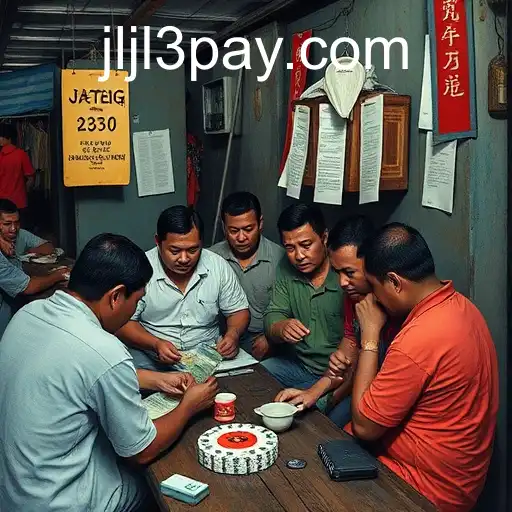

The clandestine world of jueteng is a pervasive and controversial subject in the Philippines. This illegal numbers game is intertwined with the culture, politics, and economy of the country in ways that are often surprising. Despite being illegal, jueteng continues to thrive, raising questions about its grip on society and the challenges of regulating or eradicating it. This article delves deep into the origins, mechanics, and societal impact of jueteng, exploring why this practice persists and what the future might hold.
Jueteng is believed to have originated during the Spanish colonial period, deriving from Chinese gambling games. The game was introduced to the Philippines by Chinese immigrants and gradually adapted to local contexts. Over the decades, it became a staple in many communities, particularly in urban areas, where it caught the attention of numerous participants seeking both excitement and economic opportunity.
The simplistic allure of jueteng lies in its format. Players bet on any two numbers between one and thirty-seven. The winning combination is selected through a seemingly random draw, often conducted privately and away from the prying eyes of law enforcement. With its low-cost entry and the potential for significant returns, jueteng attracts individuals from various socioeconomic backgrounds, making it a democratic form of gambling in an economic sense.
Jueteng operations are highly organized, run by a network of individuals from the kubradores (collectors) to the kabos (supervisors) and the gambling lords who finance the operations. Kubradores play a crucial role as they go house-to-house or cover specific routes to collect bets and distribute winnings for every draw. They maintain an intricate system of trust and efficiency to ensure the game runs smoothly.
Trust plays a significant role, as bettors rely on kubradores to place their bets securely and receive timely payouts. It's a layer of community that helps reinforce the acceptance and continual operation of jueteng in many regions. Despite governmental crackdowns, this extensive network operates quietly yet persistently, highlighting the need for a better understanding of its entrenched position within certain communities.
Jueteng is not merely a gambling activity; it has socioeconomic implications that reflect broader systemic issues. For many, it's a supplementary form of income or even a primary livelihood. This economic dependence on jueteng underscores significant gaps in employment and income opportunities, prompting individuals to seek alternative means for financial survival.
Moreover, the funds from jueteng often trickle up into the political arena. Politicians, particularly in regional areas, may receive jueteng money in exchange for protection or campaign funds, perpetuating cycles of corruption and undermining institutional integrity. This complex web poses substantial challenges for law enforcement and policymakers who strive to combat illegal activities while contending with their profound social roots.
Despite numerous efforts to combat jueteng, it remains a resilient aspect of Philippine society. The primary reason for this endurance is a combination of social acceptance and inadequacies in law enforcement. For many communities, jueteng is not merely tolerated; it is viewed as a normal part of everyday life. This ingrained perception makes it difficult to implement lasting reform.
A significant barrier to enforcement is the sheer scale and complexity of jueteng operations. Attempts at eradicating jueteng have often fallen short due to insufficient resources, manpower, and the corruption entrenched within systems designed to deter its practice. This situation demands a more nuanced approach that could involve more stringent monitoring, community engagement, and perhaps the controversial consideration of legalizing and regulating certain gambling activities.
Addressing the phenomenon of jueteng requires innovation and open dialogues between stakeholders. Proposals have been made to regulate gambling formally, which could potentially transform jueteng from a clandestine operation into a taxable enterprise. Such measures could provide economic benefits while mitigating the adverse effects of unregulated gambling.
However, any such approaches must balance cultural sensibilities, ethical considerations, and practical enforcement abilities. It is pivotal to engage local communities in discussions about their economic needs and desires regarding leisure activities, fostering a cooperative environment that respects individual choices while addressing wider societal concerns.
Ultimately, understanding the socio-economic underpinnings of jueteng and integrating them into holistic policy design remains critical. Stakeholders must prioritize vulnerable communities' welfare, protecting both their financial well-being and social integrity.
Moving forward requires balancing various societal elements and mapping pathways that address the roots of jueteng's prevalence without ignoring its economic and social dimensions. Policymakers, community leaders, and law enforcement must work collectively to develop strategies that focus on inclusive economic opportunities. While challenges are considerable, they present an opportunity to foster resilience and adaptability within the face of deeply engrained practices.
As Philippine society evolves, the narrative surrounding practices like jueteng may inevitably shift. Continuous awareness, innovative policy-making, and concerted efforts remain paramount to guiding such transitions effectively. While immediate eradication may not be feasible, incremental systemic changes can lay the groundwork for a more regulated and equitable environment where traditional practices are acknowledged and integrated thoughtfully.

Explore the innovative world of SuperNiubi, a game that combines adventure, strategy, and creativity with cutting-edge technology.

Explore the captivating world of BrutalSanta, an action-packed game with thrilling challenges and immersive gameplay.

Discover the captivating gameplay and rules of JuicyGems with its unique features and strategies.

Explore the thrilling world of DoubleWilds, a captivating game that combines strategy, excitement, and unpredictable twists.

Explore the engaging gameplay, introduction, and rules of SevensFruits with a contemporary twist.

Discover the intriguing world of DrFrankenstein, a game that blends science fiction with strategic gameplay.
